
Renting a pet-friendly apartment in Fort Worth: what to check beyond the pet policy
By Sofia Delgado · Updated 2026-06-20
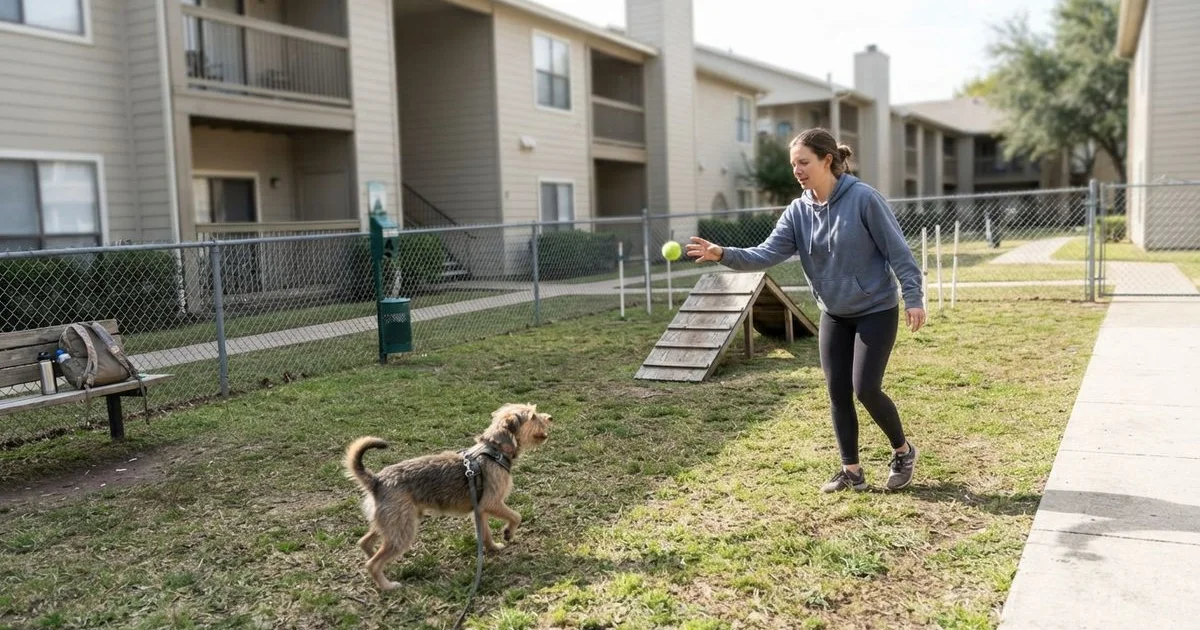
Pet-friendly does not mean the same thing at every apartment community. Some properties genuinely cater to residents with dogs, with dedicated parks, wash stations, and generous weight limits. Others technically allow pets but tack on real restrictions and fees that only become clear once you are already deep into the application. Here is what to look at beyond the headline “pets welcome” listing.
Start with the actual policy, not the marketing
Ask for the pet policy in writing before you tour, not after. It should spell out weight limits, breed restrictions, the maximum number of pets per unit, and any deposit, fee, or monthly rent tied to having a pet. A property that hesitates to put this in writing early is worth a second look.
What pet costs typically look like
| Cost type | When it is charged | What it usually covers |
|---|---|---|
| One-time pet fee | At move-in, non-refundable | Covers general wear tied to having a pet in the unit |
| Monthly pet rent | Every month, ongoing | Recurring charge added to base rent |
| Pet deposit | At move-in, sometimes refundable | Held against pet-specific damage, refunded if none found |
Not every property charges all three. Ask specifically which apply, and get the total monthly cost with pet rent included before you compare it against a property that does not charge it.
Weight limits and breed restrictions are worth clarifying early
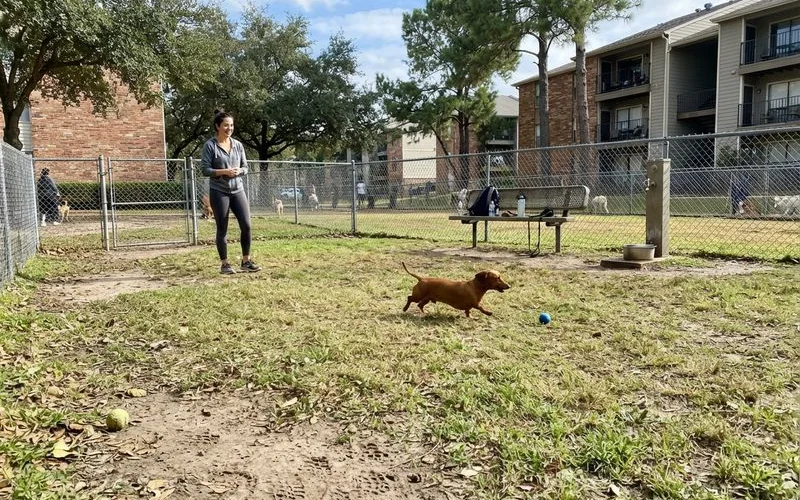
Many communities cap pet weight, commonly somewhere in the 25 to 50 pound range depending on the property, and separately restrict specific breeds, often tied to what the property’s liability insurer will cover. If you have a larger dog or a breed that sometimes runs into this, confirm it before you fall in love with a floor plan. Restrictions vary enough between nearby properties that a flat no at one community does not mean the same at another a few miles away.
What the amenities actually mean day to day
A dog park sounds nice on a property tour, but ask practical questions: is it fenced, is there separate space for small versus large dogs, and is there a wash station so you are not bathing a muddy dog in your own tub. Covered walking paths and pet waste stations around the property are small details that add up to a meaningfully easier day-to-day experience with a pet.
Multiple pets and combined costs
If you have more than one pet, ask how fees and rent scale, since some properties charge a flat rate per unit while others charge per pet, which adds up quickly with two or more animals. A property advertising a modest single-pet fee can end up considerably pricier than a competitor once a second pet’s fee and monthly rent are factored in, so get the multi-pet total in writing before assuming one property is cheaper based on its single-pet pricing alone.
Noise and neighbor considerations
Buildings with thinner walls or a high density of pet-owning residents sometimes generate more noise complaints, particularly barking. This shows up often enough in resident feedback that it is worth a quick search through recent reviews for noise-related comments before you commit, especially if you work from home or are sensitive to sound.
We factor recent resident sentiment, including noise and amenity feedback, into every score published for our pet-friendly listings. See the details on our methodology page. If timing your search matters too, see when the best time to rent an apartment in Fort Worth tends to be, since pet-friendly units follow the same seasonal pattern as everything else.
Documenting your pet the right way
Once you have narrowed down a property, ask what documentation they require, current vaccination records, a photo, sometimes a pet interview or temperament assessment for certain breeds. Getting this ready before you apply speeds up approval and avoids a last-minute scramble. If your pet has an emotional support or service animal designation, that involves a different process under fair housing rules than a standard pet policy, so raise it directly and early with the leasing office rather than assuming standard pet fees automatically apply.
Where to start looking
Our pet-friendly apartments hub lists Greater Fort Worth communities scored on resident feedback, including pet-specific themes where they show up in reviews. From there, confirm the specific pet policy, fees, and amenities directly with each leasing office before you apply. Browse the full directory for every housing category we track.
FAQ
- What is the difference between a pet fee and pet rent?
- A pet fee is a one-time, non-refundable charge paid at move-in. Pet rent is a recurring monthly charge added to your base rent for as long as you keep the pet in the unit. Most pet-friendly communities charge both.
- Are breed restrictions common in Fort Worth apartments?
- Yes, many properties restrict certain large or commonly insured-against breeds, often tied to the property's liability insurance policy rather than a personal preference. Always ask about breed and weight limits before touring with a specific dog in mind.
- How many pets can I typically have in a Fort Worth apartment?
- Most communities cap it at two pets per unit, though this varies. Confirm the exact limit and whether it differs for cats versus dogs before you apply.
- Do pet-friendly apartments really have more noise complaints?
- Some do, particularly from barking in buildings with thin walls or a high density of dogs. Reading recent reviews for noise-related feedback is a reasonable way to gauge this before you sign.