
Renting with a roommate in Fort Worth: what to agree on before you sign
By Sofia Delgado · Updated 2026-07-16
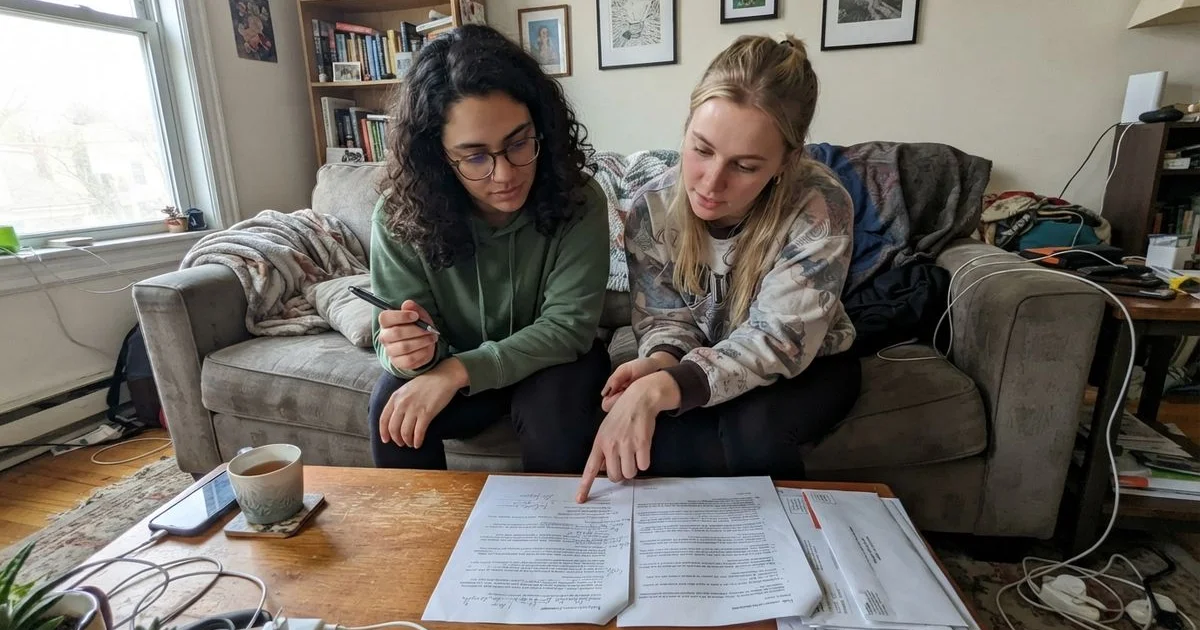
Splitting rent with roommates is one of the most common ways to make apartment living in Fort Worth more affordable, but it also introduces financial and personal dynamics that a lease alone does not fully address. A little upfront agreement prevents most of the conflicts that come up later.
Understand joint liability before you sign
Most apartment leases in this market hold every named tenant jointly and severally liable, which means the property can legally pursue any one roommate for the full rent owed if another roommate stops paying, not just a prorated share. This is worth understanding clearly before you sign with someone, since your financial exposure is not limited to your own portion of rent.
What to agree on before move-in
| Topic | Why it matters |
|---|---|
| Rent and utility split | Avoids confusion over who pays what and when |
| Payment method and timing | A shared account or clear individual deadlines reduces missed-payment risk |
| Guest and overnight policy | A common source of friction if expectations differ |
| Cleaning and shared space responsibilities | Prevents resentment from building over small things |
| What happens if someone wants to leave early | Sets expectations before it becomes an urgent problem |
None of this needs to be complicated, but putting it in writing, even informally, gives you something concrete to refer back to if a disagreement comes up.

A roommate agreement is not the same as the lease
The lease is between you, your roommates, and the property, and it governs your obligations to the landlord. A separate roommate agreement, even a simple one-page document, governs how you and your roommates handle things between yourselves, like rent splits and chores. It carries no legal weight with the landlord, but it is genuinely useful for resolving disputes without those disputes escalating into a lease violation that affects everyone.
Choosing a roommate you can actually trust financially
Living well with someone socially does not always translate to being financially reliable. Before signing a joint lease, have a direct conversation about income stability, how bills will be paid, and what the plan is if either of you faces a temporary financial setback. It is an uncomfortable conversation to have upfront, but far less uncomfortable than a missed rent payment discovered after the fact.
Splitting the security deposit fairly
Deposits are often paid as a single combined amount but returned the same way, which means a dispute over damage caused by one roommate can end up affecting everyone’s refund. Agree upfront on how you will split the deposit refund, and consider documenting each person’s room or area separately at move-in so it is clearer later who is responsible if a specific area shows damage beyond normal wear.
If a roommate situation goes wrong
Talk to the leasing office early if a roommate stops paying or wants to leave, rather than letting the situation escalate silently. Many properties have a process for removing or replacing a roommate on the lease, though it typically requires their approval and a new application for anyone joining. Waiting too long to address a problem roommate situation generally makes it harder to resolve cleanly. The stakes are similar, but bigger, when a parent cosigns instead of a peer; see our guide on cosigning a college student’s apartment lease if that is your situation.
We factor recent resident sentiment, including how properties handle lease changes and disputes, into every score we publish. See how on our methodology page.
Finding a roommate you do not already know
If you are searching for a roommate rather than moving in with someone you already know well, treat it with the same care you would a job reference check. Ask about their current living situation, why they are moving, and their general approach to splitting bills. A short trial conversation about finances and expectations before signing anything reveals more than a quick social media search ever will, and it is far easier to walk away from a mismatch before a lease than after.
Where to start
Browse our full directory of scored Greater Fort Worth communities to compare properties before you and a roommate commit to a shared lease together.
FAQ
- Is every roommate responsible for the full rent if one stops paying?
- Often yes. Most leases hold all named tenants jointly and severally liable, meaning the property can pursue any one roommate for the full amount owed, not just their individual share. This is general information, not legal advice.
- Should roommates sign a separate agreement in addition to the lease?
- It is a good idea. A roommate agreement covering rent splits, chores, guests, and what happens if someone leaves early is not legally binding on the landlord, but it gives roommates a clear reference for resolving disagreements between themselves.
- What happens if one roommate wants to move out before the lease ends?
- The lease terms still apply to everyone who signed, so the departing roommate typically remains liable unless the property agrees to a lease modification or a replacement roommate is approved.
- Can a property reject a proposed replacement roommate?
- Yes. Adding or replacing a roommate generally requires the property's approval, including a new application and screening for the incoming person.