
Texas security deposit law: what Fort Worth renters need to know
By Sofia Delgado · Updated 2026-06-14
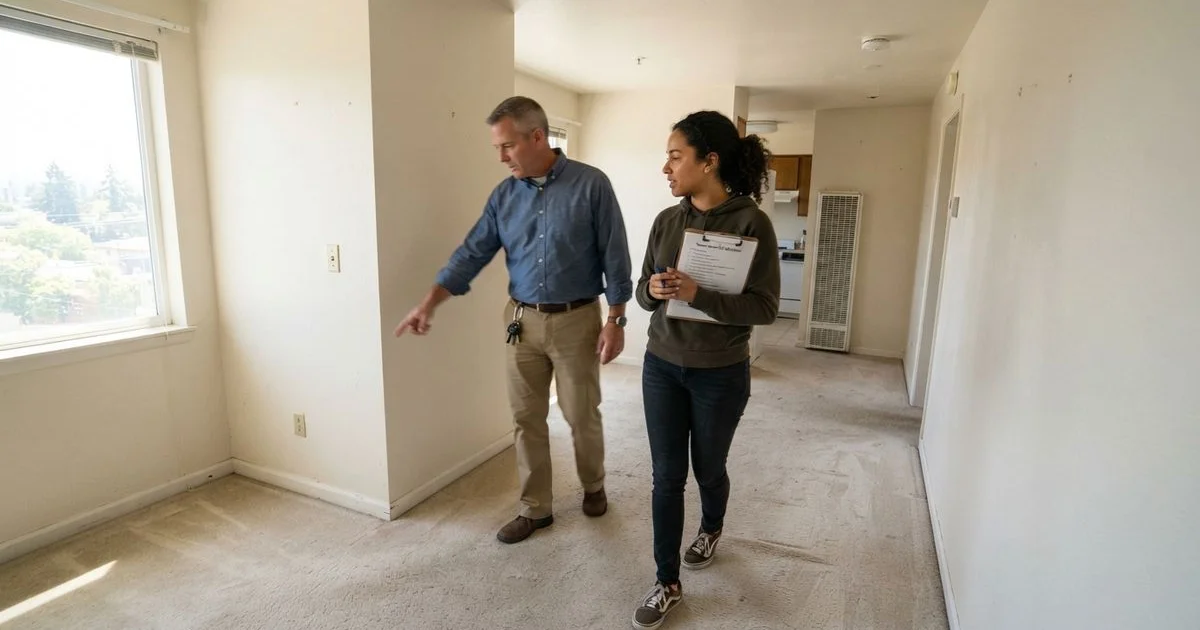
A security deposit dispute is one of the most common friction points between renters and apartment communities, and it usually comes down to a handful of specific rules under Texas law. This guide covers the practical framework: how long a property has to return your deposit, what can and cannot be deducted, and what to do if a deduction looks wrong. This is general information, not legal advice. For a dispute involving real money, a tenant rights organization or attorney can give you guidance specific to your lease and situation.
The basic timeline
Under Texas law, once you move out and the lease ends, a landlord generally has 30 days to either refund your deposit in full or send a written, itemized list explaining every deduction. That clock typically does not start until you have given the landlord a forwarding address in writing, so send that address the moment you know your move-out date rather than waiting.
What can actually be deducted
Texas law draws a real line between damage and normal wear and tear, and only damage is deductible.
| Deduction type | Generally allowed | Generally not allowed |
|---|---|---|
| Unpaid rent or fees owed under the lease | Yes | — |
| Actual damage beyond normal use (holes, burns, broken fixtures) | Yes | — |
| Faded paint or carpet wear from years of normal living | — | No |
| Minor nail holes from hanging pictures | — | No |
| Professional cleaning if the unit was left reasonably clean | — | Usually no |
If a deduction looks like it is covering ordinary wear rather than actual damage, that is worth questioning directly with the property before you accept it.

How to protect yourself before you even move out
Take dated photos or video of every room at move-in and again at move-out, ideally comparing directly against your original move-in inspection report. Clean the unit reasonably well and address anything you caused damage to yourself. Keep a copy of your lease and any move-in condition documentation somewhere you can find it months later, since disputes often surface weeks after you have already forgotten the details.
If a deduction looks unfair
Start by asking the property, in writing, for an explanation and documentation, such as repair receipts, for any deduction that seems disproportionate to actual damage. If the response is not satisfactory, Texas law provides a path for tenants when a landlord withholds a deposit in bad faith or fails to meet the notice requirements, including the possibility of recovering more than just the deposit itself. Small claims court is a realistic option for deposit disputes, since the dollar amounts usually fall within its limits, and it does not require an attorney.
Reading a property’s track record before you sign
Deposit and deduction disputes show up often enough in resident reviews that they are worth checking before you ever put money down. A pattern of complaints about withheld deposits across multiple recent reviews is a stronger signal than rent price or amenities. We factor recent sentiment into every score we publish. See how that works on our methodology page. If you are ending the lease early rather than at natural term end, our guide to breaking an apartment lease early in Texas covers the financial and legal side of that separately.
What to do if the property simply does not respond
Occasionally a property goes silent past the 30-day window rather than sending a check or an itemized list at all. Follow up in writing, by email or certified mail, referencing the date you provided your forwarding address and the statutory timeline. If there is still no response after a reasonable follow-up period, a written demand letter, sometimes drafted with help from a tenant rights organization, is often enough to prompt a response before a case ever needs to go to court.
The bottom line
Most deposit disputes come down to documentation: what condition the unit was in, what the lease said, and whether the property followed the 30-day notice process. Protect yourself with photos and a written forwarding address, and know that Texas law puts real limits on what a landlord can deduct. Start your search with our full directory of Greater Fort Worth communities, where resident feedback on deposit handling factors directly into each score.
FAQ
- How long does a landlord have to return a security deposit in Texas?
- Texas law generally requires landlords to refund the deposit, or provide a written itemized list of deductions, within 30 days of move-out. This is general information, not legal advice, so confirm current requirements for your specific situation.
- Can a landlord charge for normal wear and tear?
- No. Texas law distinguishes ordinary wear and tear from actual damage, and a landlord cannot deduct for the former. Faded paint or worn carpet from years of normal living is different from a hole punched in a wall.
- What if my landlord does not return my deposit or send an itemized list?
- If a landlord fails to return the deposit or provide an itemized list within the required window and acts in bad faith, Texas law allows a tenant to pursue damages beyond just the deposit amount, including a statutory penalty. A tenant rights organization or attorney can walk you through next steps.
- Does giving a forwarding address matter?
- Yes. A landlord's obligation to return the deposit generally depends on the tenant providing a forwarding address in writing. Send it as soon as you know your move-out date, ideally in writing with a date stamp.